
Indoor vs Outdoor Interactive Projection Systems: Complete Selection Guide
How to choose between indoor stability and outdoor impact for your interactive projection solution
Interactive projection systems are transforming how we engage with digital content. From immersive museum exhibitions to attention-grabbing interactive advertisements in shopping malls, this technology uses motion-sensing devices to capture participant movements, enabling human-screen interaction and creating memorable experiences. Choosing between indoor and outdoor systems has become crucial for project success.
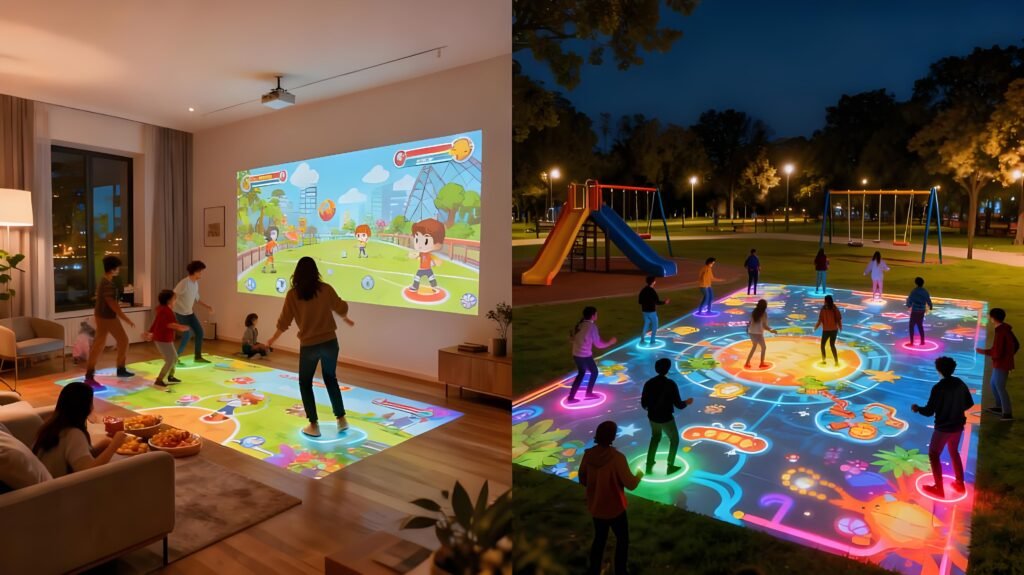
How Interactive Projection Systems Work
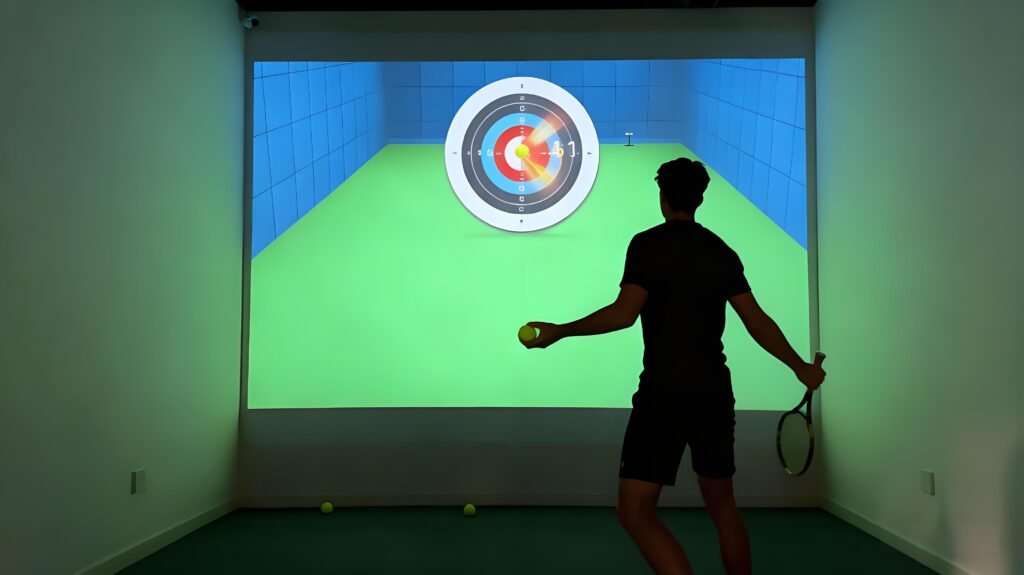
The core of interactive projection lies in real-time motion capture and image analysis. The system captures user movements through signal acquisition devices like infrared sensors or cameras, processes this data, and instantly displays interactive effects on the projection surface.
This technology has evolved from simple interactions to today’s multimodal interactive experiences. Modern systems achieve response delays of less than 0.05 seconds, providing seamless, natural interaction.
Key Decision Factors: Indoor vs Outdoor
Environmental Lighting Conditions
Indoor systems excel in controlled lighting environments. They typically use standard-brightness projectors that deliver vibrant colors and clear details in low ambient light conditions.
Outdoor systems must handle unpredictable natural light. They require high-brightness laser projection technology, with some products offering sufficient luminosity to remain clearly visible even in direct sunlight. Additionally, outdoor systems feature ambient light-resistant sensing technology for stable operation in various weather conditions.
Durability and Maintenance
Indoor systems enjoy relatively gentle environments but still require:
- Regular projector cleaning to prevent dust affecting image quality
- Sensor calibration to ensure accurate motion capture
- System inspections for preventive maintenance
Outdoor systems face tougher challenges, needing industrial-grade protective design:
- Fully sealed enclosures for dust and moisture protection
- Temperature control systems maintaining operation in temperatures as low as -22°F (-30°C)
- Professional maintenance to withstand environmental factors
Installation and Cost Considerations
Indoor systems feature simpler installation, typically requiring ceiling mounting with 10-17 cubic feet (0.3-0.5 cubic meters) of space. Annual maintenance costs typically range from 3%-8% of total equipment value.
Outdoor systems demand more specialized installation:
- Weatherproof enclosures protecting core components
- Stable foundations resisting wind and environmental factors
- Dedicated power lines ensuring reliable operation
Initial investment usually runs 30-50% higher than indoor systems, with correspondingly higher maintenance costs.
Application Scenarios: Matching Environment to Purpose
Ideal Indoor Applications
Indoor interactive projection systems excel in:
- Museums and exhibition halls creating immersive viewing experiences
- Corporate showrooms enhancing brand image and interaction
- Education and training enabling participatory learning
- Retail environments attracting customers and improving shopping experiences
Specialized Outdoor Applications
Outdoor systems add value to:
- Architectural projection creating stunning visual spectacles
- Public squares engaging crowds in interactive activities
- Theme parks enhancing visitor satisfaction
- Cultural tourism projects including scenic walkways and parks
Technical Selection: Projectors and Light Sources
Choosing the right projection technology is crucial:
LED projectors suit indoor applications perfectly, offering exceptional lifespan (up to 60,000 hours), outstanding color performance (up to 115% NTSC color saturation), and high safety (no infrared or ultraviolet radiation, flicker-free images protecting eyesight).
Laser projection technology serves as the ideal outdoor solution, providing high brightness output, excellent environmental adaptability, and stable performance.
Customization Possibilities
Both systems support customization:
Indoor systems can be tailored for projection size and shape, with virtual projection systems supporting multiple interactive forms like water ripples, flipping, collision, erasing, avoidance, and following.
Outdoor systems also offer customization options, with some 3D interactive laser projection lights featuring 200+ interactive content options and support for custom content development.
Frequently Asked Questions
Can indoor and outdoor systems be interchanged?
Generally not recommended. Indoor systems lack the protection ratings needed outdoors, while outdoor systems used indoors represent over-specification and poor cost-effectiveness.
What about mixed environments?
For semi-outdoor spaces like covered plazas, consider upgraded indoor systems with enhanced protection or small-scale outdoor systems. Consulting professional integrators for customized advice is the best approach.
System lifespan and upgrade cycles?
Indoor systems: LED light sources last up to 60,000 hours, with system upgrades typically every 3-5 years
Outdoor systems: Laser sources last 20,000-40,000 hours, requiring more frequent maintenance but offering longer service life
What are specific maintenance costs?
Depending on scale, small indoor exhibitions typically cost $700-$2,100 annually, while large outdoor projects can reach thousands to tens of thousands of dollars. For reference, the Changde Planning Exhibition Hall’s projection equipment maintenance service was budgeted at approximately $90,800 annually, reflecting potential costs for multi-device systems in professional environments.
Conclusion
Selecting the right interactive projection system requires balancing environmental conditions, technical parameters, budget constraints, and user experience. Indoor systems provide more detailed images and complex interactions, while outdoor systems deliver unmatched visual impact and public engagement.
As technology advances, particularly with portable projection equipment and more durable outdoor solutions, interactive projection systems continue to expand their application boundaries. Making the right choice will establish a solid foundation for your project’s success, creating stunning interactive experiences that captivate audiences.
Leave a Reply