Interactive Doodle Games: Where Art Meets Interactive Play
Watch children’s drawings spring to life before their eyes, transforming simple sketches into animated adventures.
Interactive doodle games have emerged as a powerful fusion of creativity and technology. These systems capture children’s artwork and bring it to life through projection or display. The result is magical: a fish drawn on paper suddenly swims across the wall. A butterfly flutters through a virtual garden. This blend of art and interactivity creates unforgettable experiences in children’s entertainment spaces worldwide.
What Are Interactive Doodle Games?
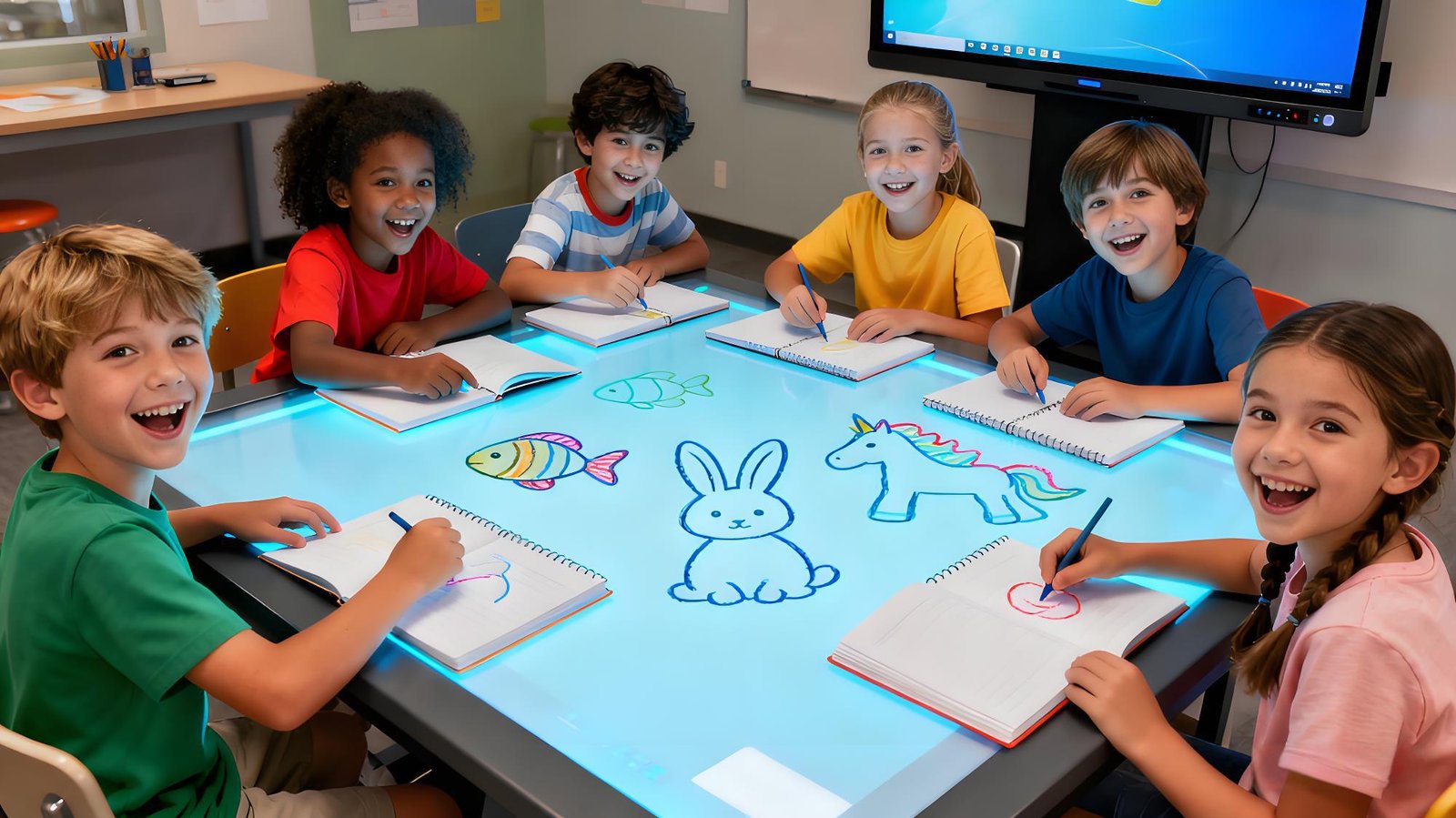
Interactive doodle games allow users to create physical drawings that become part of a digital interactive experience. Children first color or sketch on paper templates or blank surfaces. Then, the system scans their artwork and transforms it into animated characters within a projected scene.
This technology bridges the gap between tangible art and digital magic. It gives children ownership over the content they see on screen. Their own creations become the stars of the show. This personal connection drives engagement far beyond passive entertainment.
How Do Interactive Doodle Systems Work?
The process flows through several stages, each critical to the final magical effect.
First, children create their artwork. They color pre-printed templates with animals, vehicles, or fantasy creatures. Alternatively, they draw freely on blank paper, unleashing their imagination without boundaries.
Next, a scanner or camera captures the drawing. The system digitizes the artwork instantly. Advanced setups use high-resolution cameras mounted above the drawing station.
Then, animation software processes the image. The system extracts the drawing’s outlines and colors. It adds natural movements—a fish’s tail swishes, a bird’s wings flap. The static creation becomes alive.
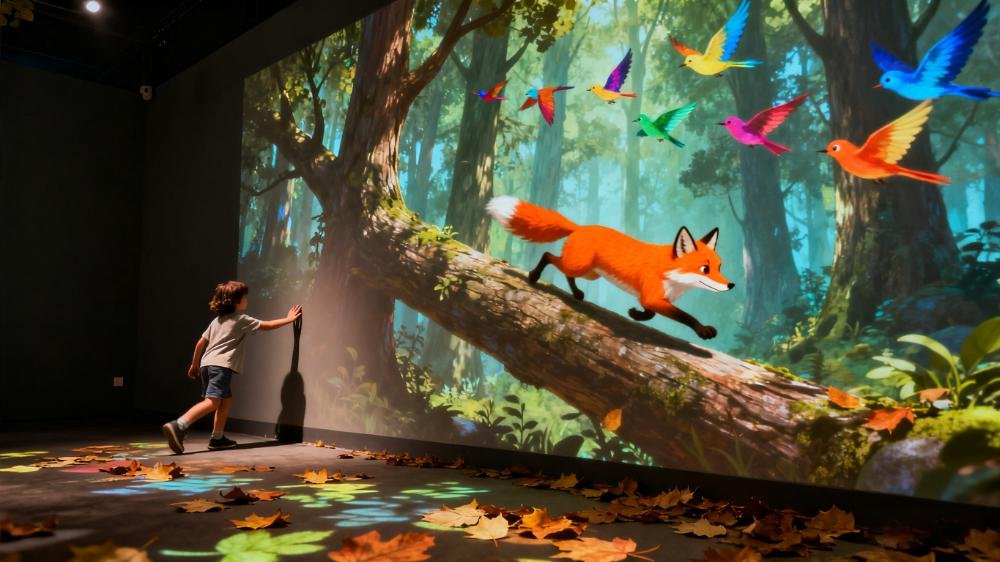
Finally, projectors or displays present the animated scene. Children watch their drawings swim, fly, or dance across walls or floors. They can interact with their creations through touch or motion sensors.
This entire cycle happens in seconds, maintaining the magical connection between creation and result.
Core Components of the System
A complete interactive doodle system requires several specialized elements working together:
- Drawing Surface: Paper templates or blank sheets for children to color
- Capture Device: High-resolution camera or scanner to digitize artwork
- Animation Engine: Software that adds movement and behavior to drawings
- Media Server: Central computer running the interactive experience
- Display System: High-brightness projectors or large-format LED screens
- Interaction Sensors: Infrared or depth cameras for touch and motion tracking
- Central Control Software: Manages content, user sessions, and system settings
Some systems use real-time 3D tracking technology similar to what powers self-driving cars . This allows digital doodles to stay fixed in place within a physical scene, creating convincing augmented reality effects.
Main Application Scenarios
Interactive doodle games work wonderfully across multiple settings:
Children’s Museums and Science Centers
These venues use doodle games to teach art, biology, and technology. Children learn about animal movements by animating their own creatures. The experience makes learning tangible and memorable.
Educational Exhibits
Science centers incorporate doodle games into ecology and environmental exhibits. Kids populate virtual ecosystems with their own drawings. They see how creatures interact and depend on each other.
Indoor Play Centers and Family Entertainment
Doodle zones serve as signature attractions in play centers. They offer quiet, creative activities alongside active play equipment. Parents appreciate the educational value while children love the magic.
Home Entertainment Systems
Some families install compact versions in game rooms or play areas. These systems provide endless creative entertainment for playdates and parties.
Immersive Art Installations
Art museums and galleries use doodle technology for interactive exhibits. Visitors contribute drawings that become part of evolving digital artworks. This collaborative approach makes art accessible and engaging .
Why These Systems Are So Popular
Several factors explain the widespread appeal of interactive doodle games:
Active Participation, Not Passive Viewing
Traditional entertainment asks children to sit and watch. Doodle games invite them to become creators. They draw, then see their work celebrated on a grand scale. This agency creates powerful emotional investment.
Visual Transformation Creates Wonder
The moment a flat drawing becomes a moving creature is genuinely magical. Children gasp and point. They run to show their parents. This “wow factor” generates word-of-mouth and repeat visits.
Endless Creative Variety
No two visits are identical because children create new drawings each time. Systems with large content libraries offer hundreds of templates and themes. This variety keeps the experience fresh and engaging.
Cross-Generational Appeal
Parents enjoy watching their children’s creativity bloom. Grandparents appreciate the blend of traditional art with modern technology. The experience creates shared moments across generations.
Advantages and Limitations
| Advantages | Limitations |
|---|---|
| Deep engagement through personal creative ownership | Higher initial investment than passive entertainment |
| Educational value combining art and technology | Consumable supplies (paper, crayons) require ongoing cost |
| Endless variety with printable templates | Space needed for drawing stations and projection area |
| Safe, contact-free interaction | Lighting control important for optimal projection |
| Repeat visits driven by new templates and themes | Staff supervision helpful for younger children |
| Social collaboration in group settings | Paper management (collecting, organizing) needed |
Doodling and creative play offer mental health benefits too. Studies suggest such activities can help reduce anxiety, improve focus, and boost imagination .

How to Enhance Value Further
Smart operators maximize their investment through several strategies:
Custom Brand Integration
Develop unique characters and themes that reflect your venue’s identity. A children’s museum might create educational mascots. A play center could design fantasy worlds matching its decor.
Localized Themes and Content
Create templates featuring local animals, landmarks, or cultural symbols. This connects the experience to your community. International visitors appreciate learning about regional culture through art.
Seasonal and Holiday Updates
Release special templates for Christmas, Halloween, and local festivals. This gives families reasons to return throughout the year. Limited-time content creates urgency and excitement.
Unique Game Modes
Expand beyond simple animation with interactive games. Children might “feed” virtual creatures or “catch” falling stars using their drawings. These mechanics add depth and replayability.
Educational Programming
Develop curriculum-aligned content for school groups. Teachers value field trips that reinforce classroom learning. Partner with local educators to create meaningful experiences.
Frequently Asked Questions
What are the key features of interactive doodle games?
Core features include drawing capture, real-time animation, interactive projection, multi-user support, and extensive template libraries. Advanced systems offer touch interaction and content management dashboards.
Are these systems safe for young children?
Yes, safety is paramount. The interaction involves no physical contact with equipment beyond drawing on paper. All electronic components remain safely out of reach. The projected images cause no harm.
How many children can participate at once?
Most systems support 4-10 children simultaneously depending on space. Some accommodate larger groups through rotation or multiple drawing stations. Group participation naturally encourages social interaction.
Can we customize the content for our venue?
Absolutely. Professional providers offer extensive customization. You can develop unique characters, themes, and game modes that reflect your brand identity. Some systems allow you to upload new templates easily.
Can game content be updated after installation?
Yes, content updates are simple. New templates and themes load through software updates. Many providers release seasonal content packages. You can also create and upload your own designs.
How much space do we need?
A typical installation requires 3×4 meters for the projection area plus space for drawing tables. Ceiling height of 2.5 meters or more accommodates projector mounting. Our team assesses your specific space.
Is professional installation required?
For commercial installations, yes. Professional calibration ensures proper sensor alignment and projection quality. We handle the entire setup process, from site survey to final testing.
What about ventilation and power?
The system needs standard electrical outlets and adequate ventilation for projection equipment. Our installation team reviews your facility’s specifications before scheduling.
How does maintenance work?
Routine maintenance includes cleaning projector filters and camera lenses. Software updates happen automatically or through simple manual processes. We offer support packages for commercial clients.
Conclusion
Interactive doodle games represent the perfect marriage of artistic expression and digital technology. They transform children from passive viewers into active creators. The magic of watching personal artwork come to life creates lasting memories and deep engagement.
For entertainment venues seeking standout attractions, these systems deliver exceptional value. They appeal across generations, encourage repeat visits, and generate powerful word-of-mouth marketing. With proper customization and content updates, they remain fresh for years.
The future of children’s entertainment lies in experiences that blend creativity with technology. Interactive doodle games lead this charge, turning every child into an artist and every visit into an adventure.
Leave a Reply