
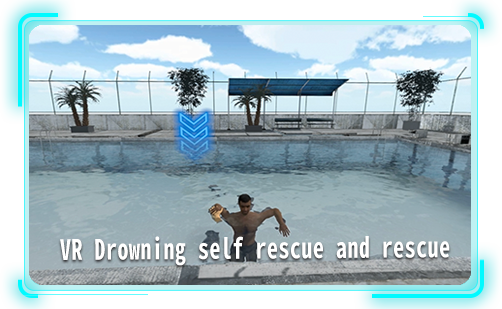
VR Science Popularization Interaction
VR Science Popularization Interaction: Pack Knowledge into the Virtual World and Turn Learning into an Adventure
VR science popularization interaction is a highly immersive and interactive experience platform for science knowledge dissemination, leveraging virtual reality technology. By means of VR headsets and interactive controllers, it transports students into a digitally – constructed scientific scenario, enabling them to transform from passive recipients of knowledge into active discoverers who can explore, operate, and even reshape the virtual world.
An Absolutely Safe High – Risk Experiment Field
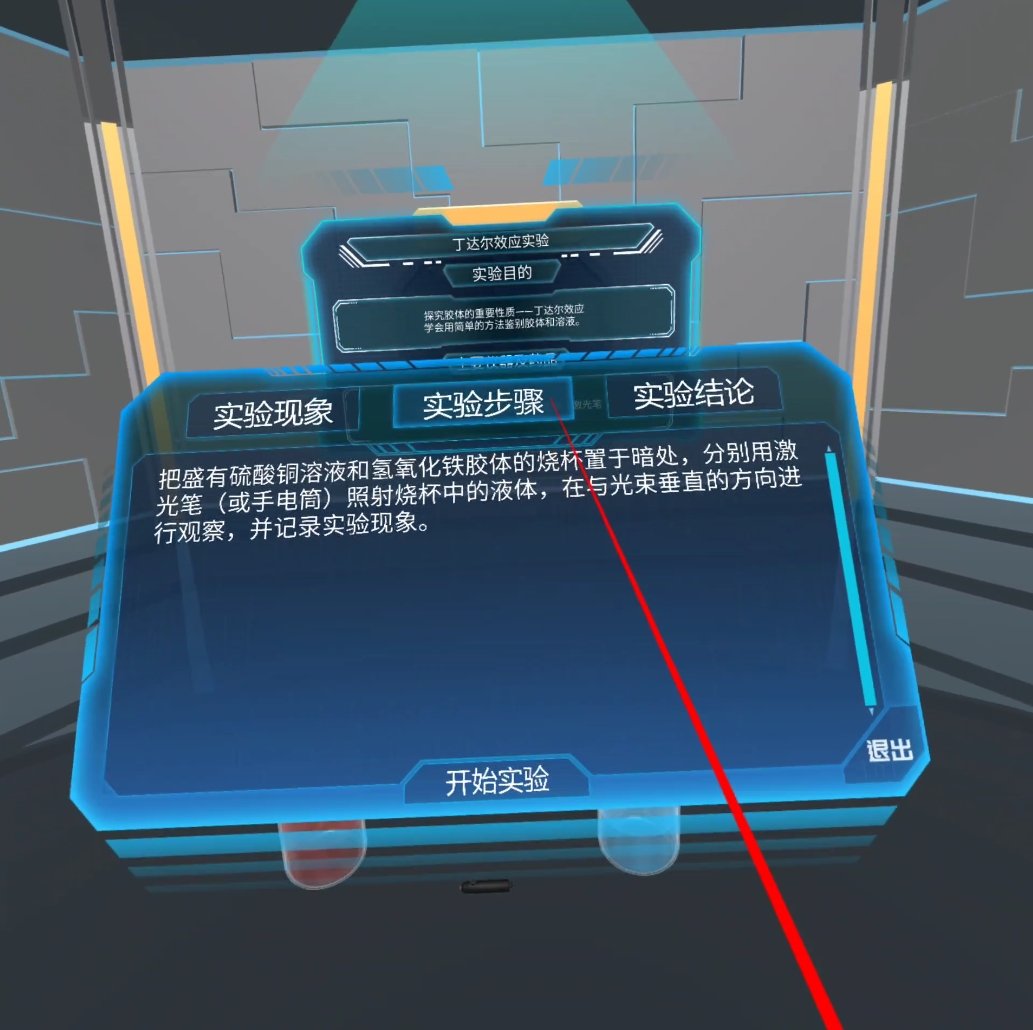
In an absolutely safe environment, students can “detonate” a volcano, “disassemble” the atomic structure, and “step into” the dinosaur era with their own hands. They can complete all scientific practices that are impossible or high – risk in reality, thus completely breaking the limitations of teaching conditions.
Intuitive Visualization of Abstract Concepts
Difficult – to – understand concepts such as microscopic cellular activities, abstract mechanical principles, and the vast expanse of the universe are transformed into visible and interactive three – dimensional models. This makes knowledge “come alive” from textbooks, significantly lowering the cognitive threshold.
High – level Interaction and Self – directed Learning
Participants are required to complete tasks set by the system through operations like observation, grasping, and assembly. In the process of “learning by doing”, they can effectively develop logical thinking and hands – on skills while enhancing knowledge retention.
Unlimited Content and Flexible Themes
With a single set of VR hardware, users can switch software to turn it into a chemistry laboratory, a human blood vessel, a spaceship, or a geological exploration base. This “all – purpose machine” can meet the diverse science popularization curriculum needs of schools and science and technology museums.
Multi – player Collaboration and Interest Stimulation
It supports multi – player online interaction. Students can collaborate in a division – of – labor manner within the same virtual scenario to jointly complete complex scientific tasks. This effectively cultivates teamwork spirit and transforms students’ passion for games into a desire to explore science.


